For almost forty years, Italy kept living on nostalgia. Italo Disco, Italo House, Dream House, Progressive, Italian Hardstyle, Italian Dance. We had extraordinary moments, artists who changed the history of electronic music worldwide, but over the last twenty years our country has stopped, at least in part, inventing new languages. We mostly learned to import other people's.
Berlin, Detroit, Rotterdam, London, Amsterdam, Paris. Every new trend seemed to need to come from abroad to be considered legitimate. In Italy the task seemed limited to replicating it as well as possible.
But maybe something is changing.
For a few years now, a musical research has been taking shape that tries to do something simple and radical at the same time: speak Italian inside techno. It doesn't mean putting an Italian voice over an electronic beat. It means building a completely new imagery, where rave culture, singer-songwriting, genre cinema, popular culture, dialects, industrial aesthetics, decadent romanticism and a certain distinctly Italian irony coexist.
This sound has started to take on a name: Italo Ghetto.
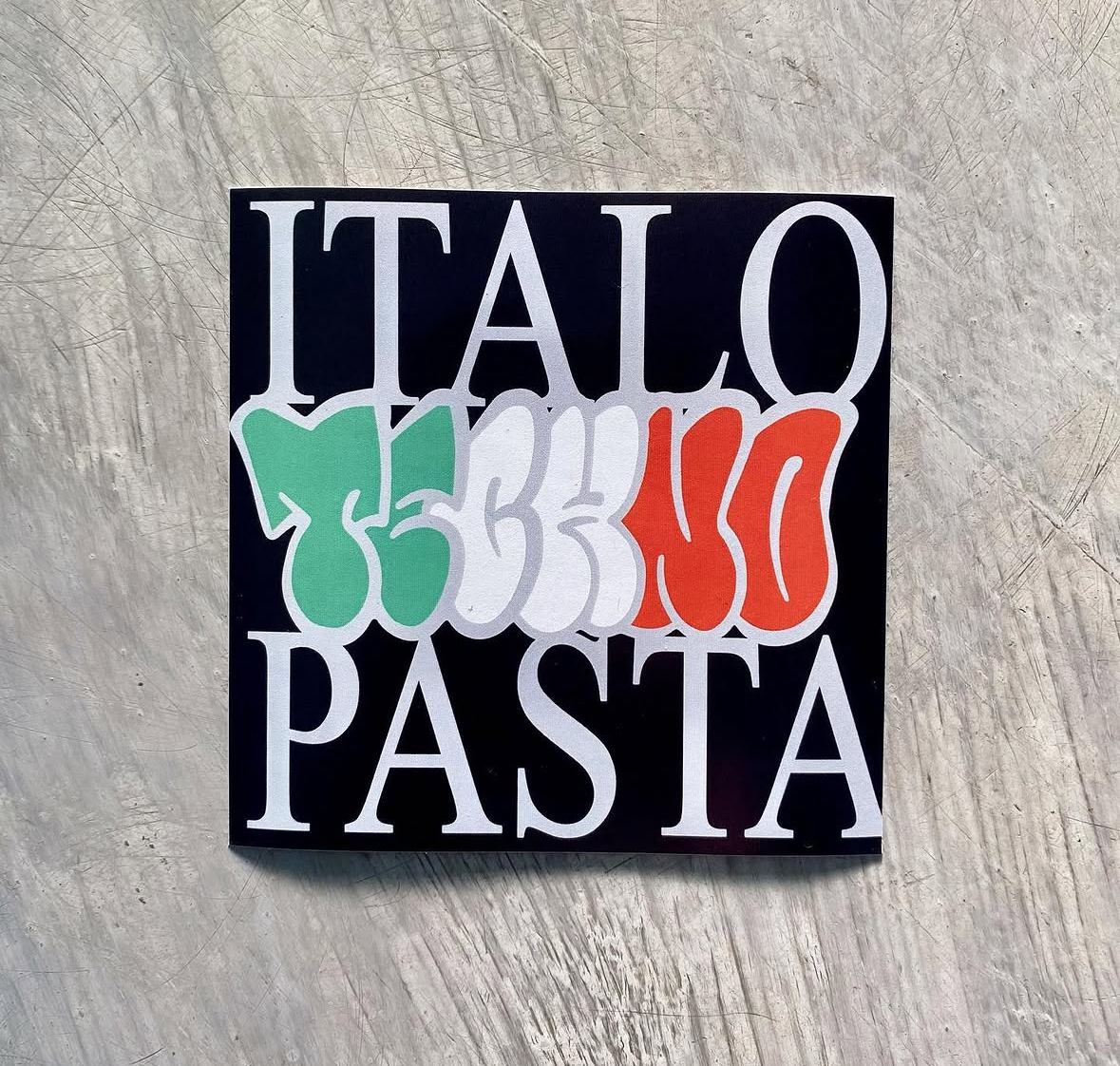
Italo Ghetto is born from the encounter between the sonic pressure of contemporary techno and a profoundly Italian way of telling stories. The melodies are simple, almost popular. The words are direct. The images evoke suburbs, impossible loves, old dance halls, graffiti, mopeds, housing projects, provincial discos, rave culture, hip hop culture and cinematic imagery.
«It's not nostalgia. It's not a revival. It's a contemporary reinterpretation of Italian identity.»
While most international electronic music tends to eliminate the voice in search of a universal language, Italo Ghetto does the opposite: it brings the word back to the center of the dancefloor. For years we got used to singing in English even when no one really understood what was being said. Italo Ghetto instead chooses the opposite path: telling emotions, anger, irony and desire in its own language, without any inferiority complex toward what comes from abroad.
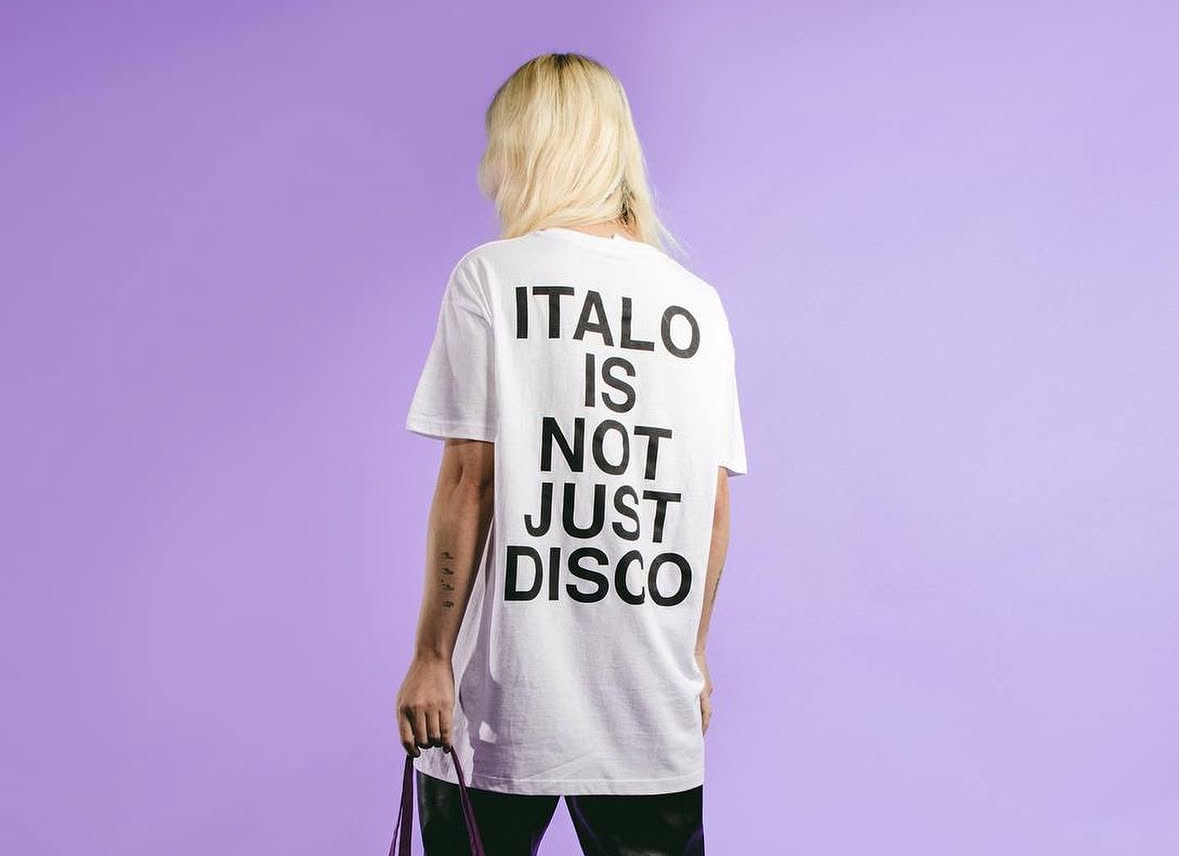
Behind this research there is also precise work of musical production. The structures remain techno, but they are contaminated by dreamy melodies, Italian samples, recognizable vocal lines and an aesthetic that rejects the separation between "high" music and popular culture.
Perhaps the most interesting aspect of Italo Ghetto is exactly this.
"It wasn't born to chase an algorithm. It wasn't born to adapt to TikTok trends. It wasn't born to fill a playlist. It was born because some people felt the need to create a language that didn't exist before."
Every major musical genre was born when someone stopped asking what would work in the market and started asking what was truly missing. It happened with jazz, with punk, with Detroit techno, with drum & bass, with dubstep and with dozens of other cultural movements.

Maybe it's still too early to know whether Italo Ghetto will become an internationally recognized genre or remain an underground current. No one can predict it. But one thing already seems clear.
After many years in which Italian electronic music looked almost exclusively outside its own borders, someone has started once again to have the courage to look within. And that's almost always how cultural revolutions begin.
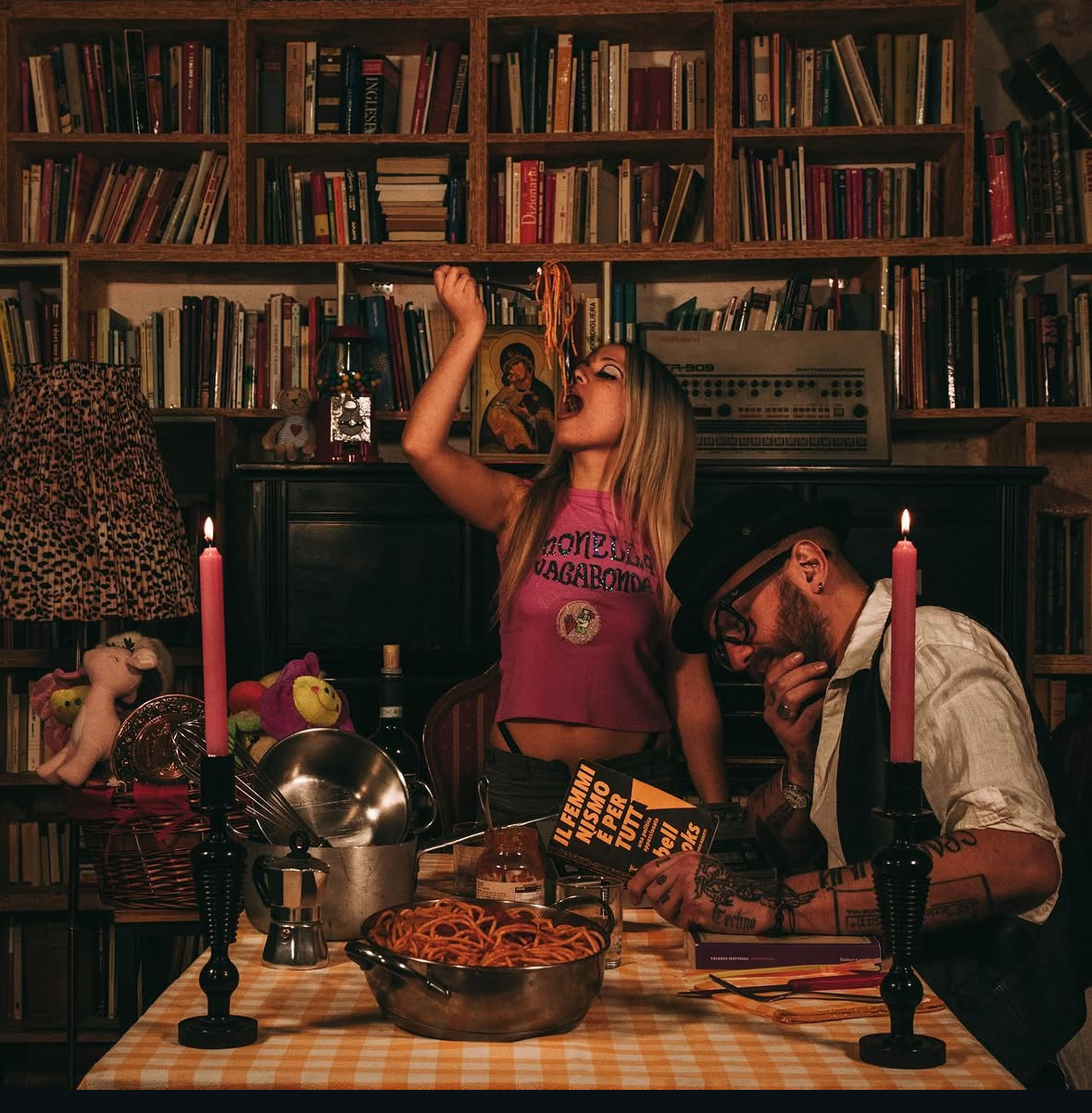
Italo Ghetto music in a playlist:
Freddy K – Devo Andare (1993)
99 Posse – Quello che (Rome Zoo Djs Remix, 1998)
The Stunned Guys – Io sono vivo (1998)
Lento Violento – Cicoria Lessa (2007)
Donato Dozzy & Anna Caragnano – Parola (2015)
Il Quadro di Troisi – Il Giudizio (2020)
DJ Plant Texture & A662 – Respira (2021)
Dolce Potente & Industrial Romantico – Bambola (2023)
Dolce Potente – Venere 2000 (old school mix, 2024)
Industrial Romantico – Vuoi fare a gara (2024)
Sonodistorto – Confusione (2025)
Tania Kim & Silvia Fontana – Ogni Cosa (2026)