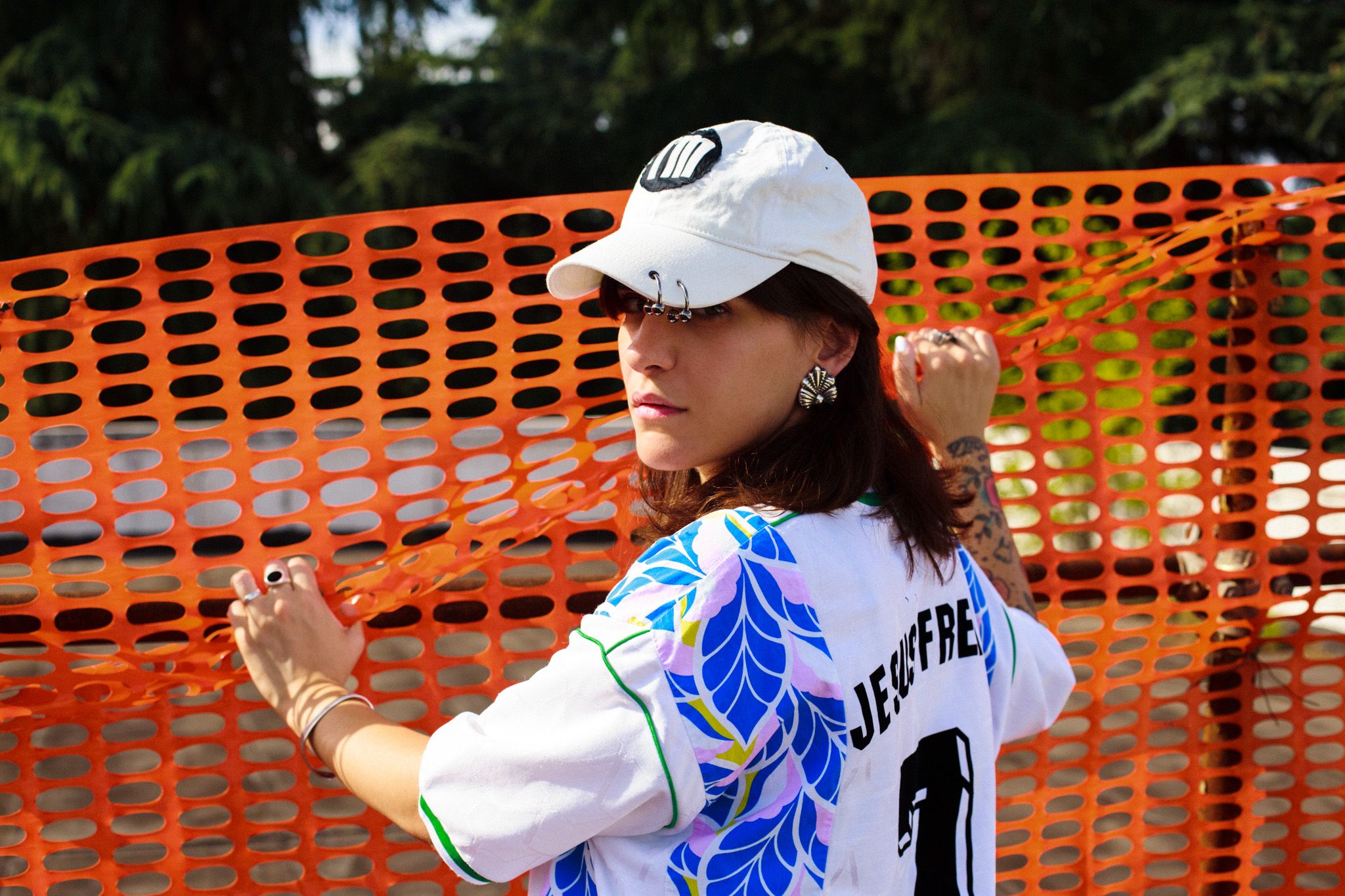
1. If you had to describe your journey from Sardinia to Berghain in a single sentence, what would it be?
It wasn't a journey toward a place, but a slow moving away from everything that kept me from being myself, in a constant attempt to get closer to who I am.
"It wasn't a journey toward a place, but a slow moving away from everything that kept me from being myself, in a constant attempt to get closer to who I am."
2. Was there a specific moment when you realized music would become your life, and not just a passion?
Actually, there was never a specific moment, because it's something I've known and wanted for as long as I can remember. I always felt that music would play a central role in my life; everything else was just the way of giving it a shape.
3. In an era when many chase visibility, you seem to have built your career mainly on consistency. How much does character matter compared to aesthetics?
Aesthetics has value when it becomes a language capable of expressing a personality, but I believe it's character that gives depth and continuity to what you build over time. It's natural to also think about how you present yourself, because it's part of an artist's story, but for me the most important thing is to stay as true as possible to what I feel. I think consistency comes precisely from that coherence.
4. You've played in some of Europe's most important venues. What really makes a dancefloor special, beyond the name of the club?
Clubs can have a history and an identity, but every dancefloor is born from an encounter. The name of a place can evoke an imagery, but it can't create that invisible connection that sometimes forms between whoever is playing and whoever is listening; when it happens, the boundary between the booth and the floor dissolves and everyone becomes part of the same story. It's something impossible to replicate on command, and that's exactly what makes it so precious!
I've experienced deeply profound moments in iconic clubs and in much smaller settings. When that connection happens, the prestige of the place stops mattering and all that's left is the shared experience.
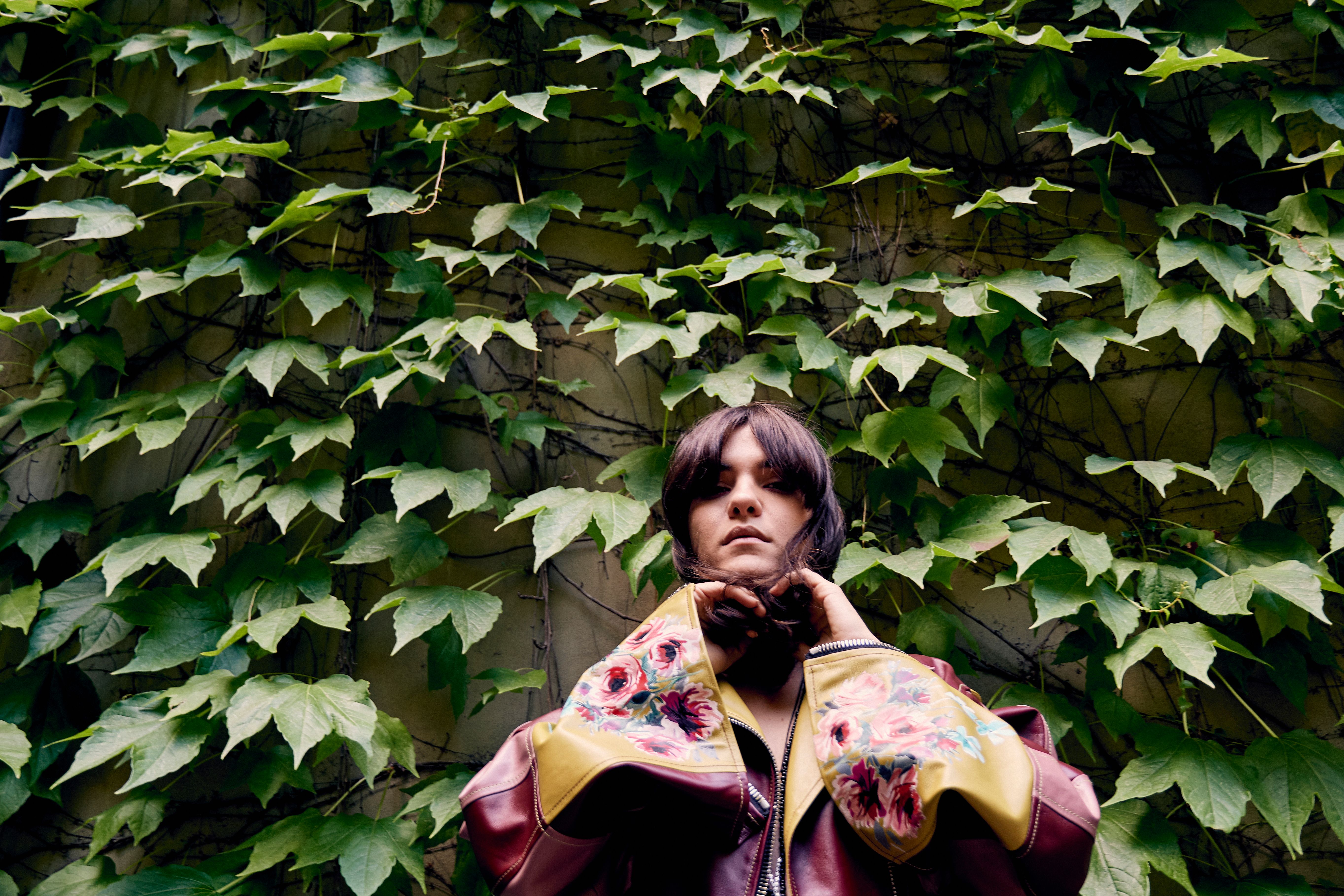
5. Tempio has become an important stop on your journey. What did you find here that's harder to find elsewhere?
I think I found at Tempio something that's often hard to preserve: the soul. A place where music isn't just an element of a night out, but one of the languages through which connection is created. I found a community, sincere listening, and the chance to live moments that don't come from a formula, but from the encounter between people, cultures, and different forms of expression: from music to dance, from workshops to initiatives of sharing and solidarity. It's precisely this human and multicultural dimension that makes Tempio so special.
"I think I found at Tempio something that's often hard to preserve: the soul."
6. The techno scene has changed enormously over the past ten years. Which transformations excite you, and which ones worry you?
Technology excites me because it has enormously widened the boundaries of creativity: today an artist has incredible expressive possibilities. At the same time, I'm frightened by the risk of excessive dependence on the tool, as if technical possibility could sometimes take the place of artistic necessity. Instruments can amplify an idea, but they shouldn't create one in our place. For me, music still comes first and foremost from an intention, from an urgency, from something that has a soul.
In a world where everything moves very fast, it's increasingly important to protect research, listening, and the time an artistic identity needs to mature.
I think the challenge today is managing to grow without losing authenticity, because image risks taking up more space than musical research, and the need to be constantly present takes time away from depth and personal growth.
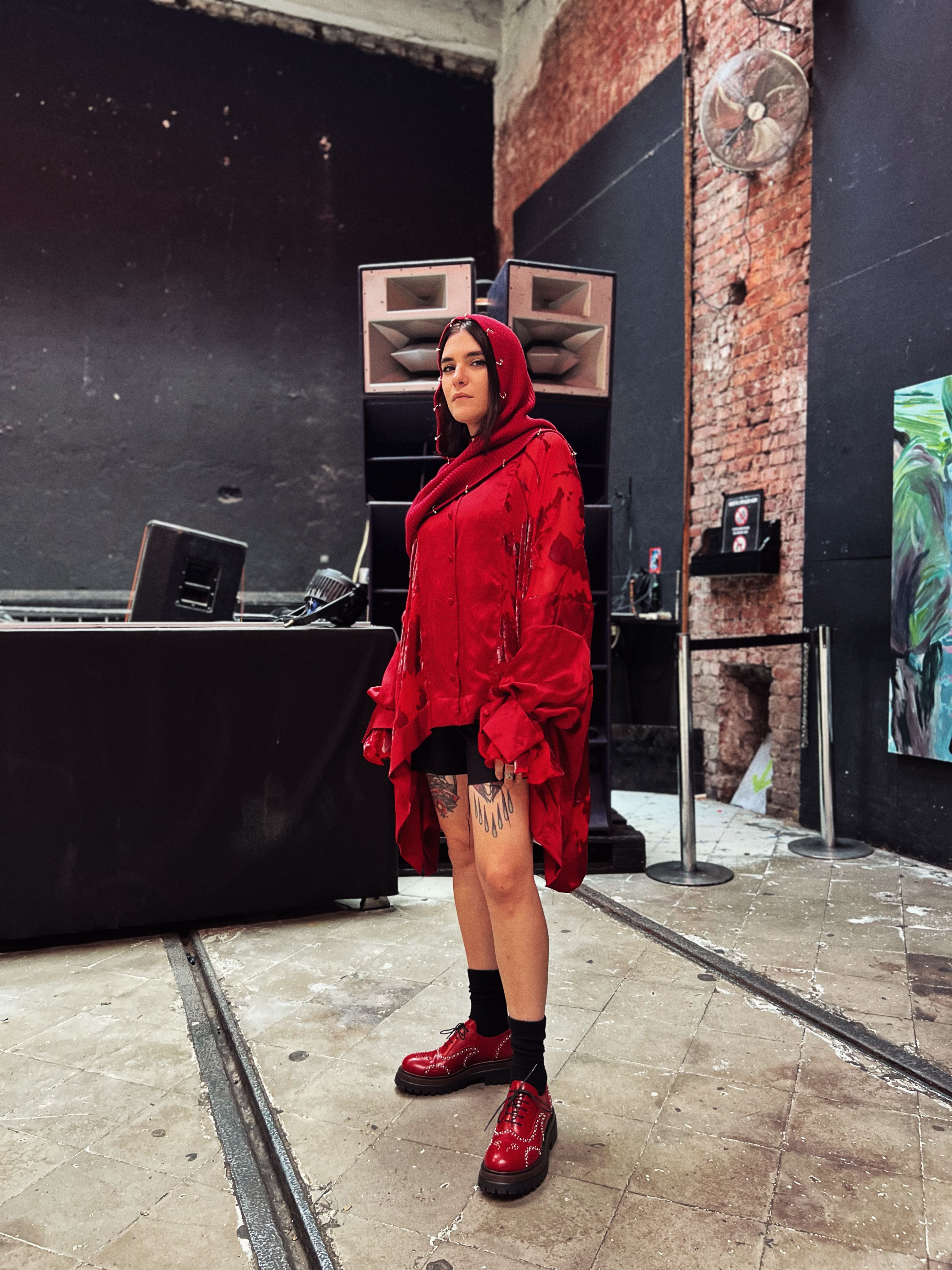
7. Looking back at the girl who was starting out playing in Sardinia, what advice would you give her today, after everything you've been through?
I'd tell her to keep going exactly on that path, because that girl already had the answer inside her. I'd tell her to never lose the purity of the search, the curiosity, and that deep need to express herself through music. Success and achievements are only consequences; the most important thing is to stay true to what really moves us.