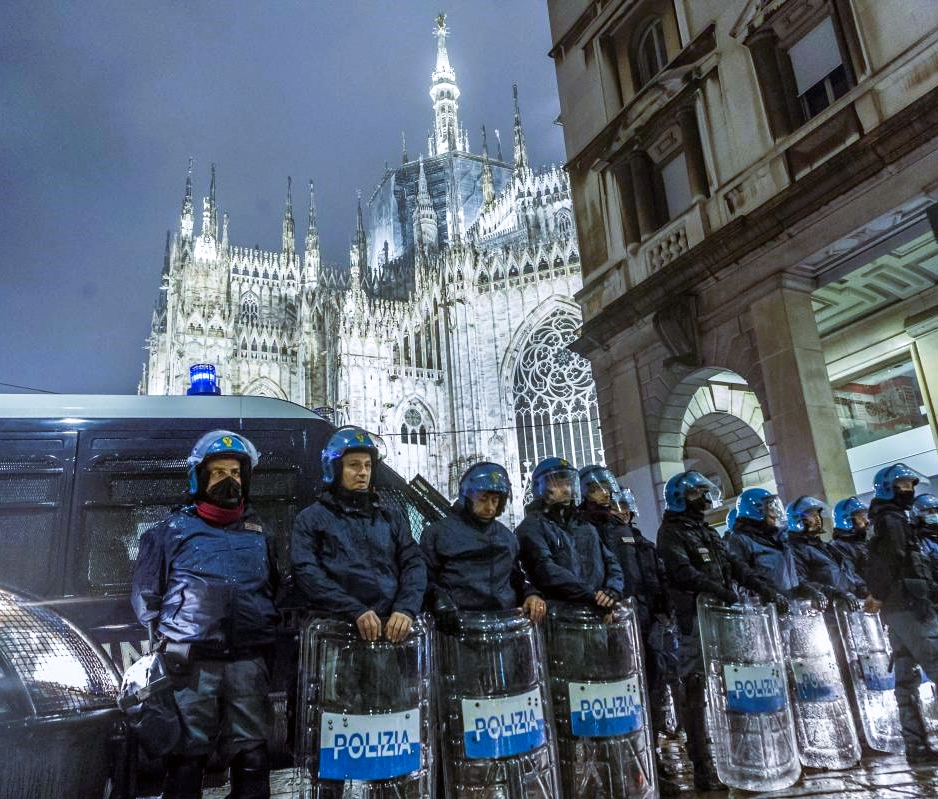
Every time a robbery, an assault or an episode of violence takes place in Milan, the same phrase appears on social media: "It's Beppe Sala's fault." It has become almost an automatic reflex.
A simple, immediate narrative, perfect for posts or reels that discredit politics and alarm citizens.
But the administrative reality is far more complex.
Attributing all of the city's security problems exclusively to the mayor means telling an incomplete version of events. Just as it would be equally incorrect to claim that the City Council bears no responsibility at all.
Let's clarify what the responsibilities actually are
Urban security is the result of the action of different institutions, each with specific areas of competence.
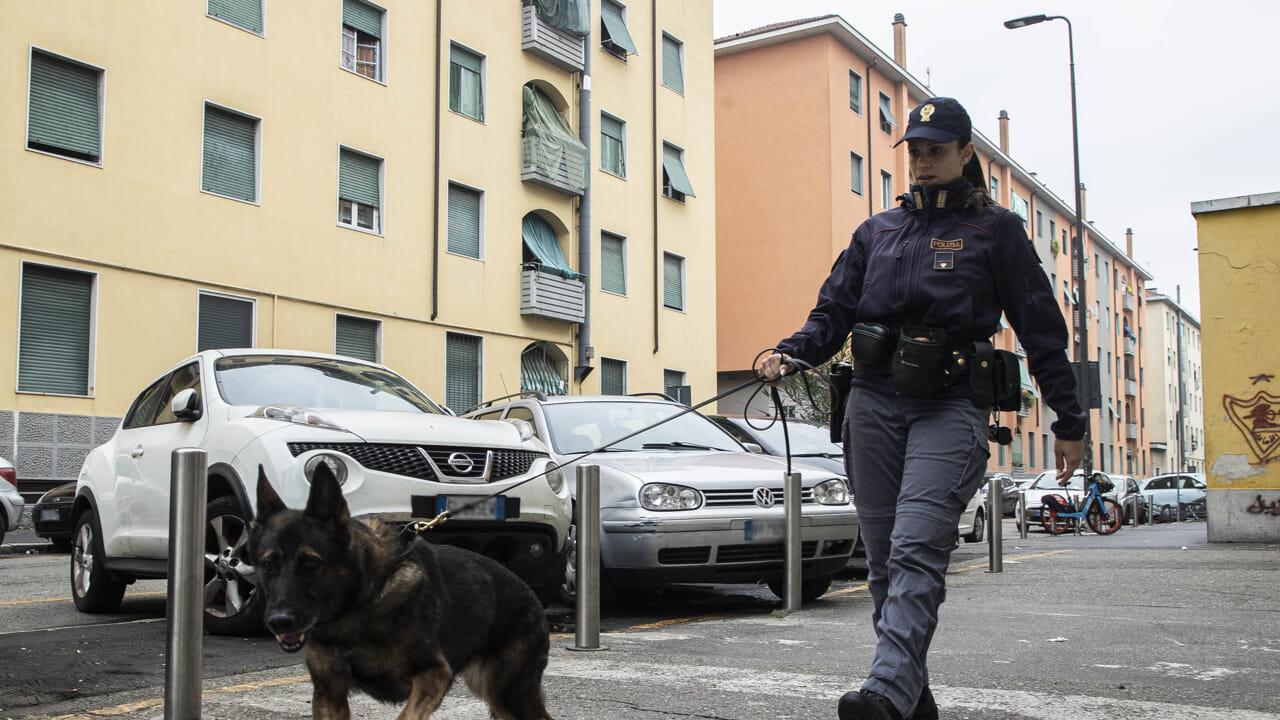
Public order, the coordination of the State Police and the Carabinieri, and the deployment of law enforcement forces all depend on the Interior Ministry, through the Prefect. It is the Government that decides staffing levels, national strategies and the resources allocated to police forces.
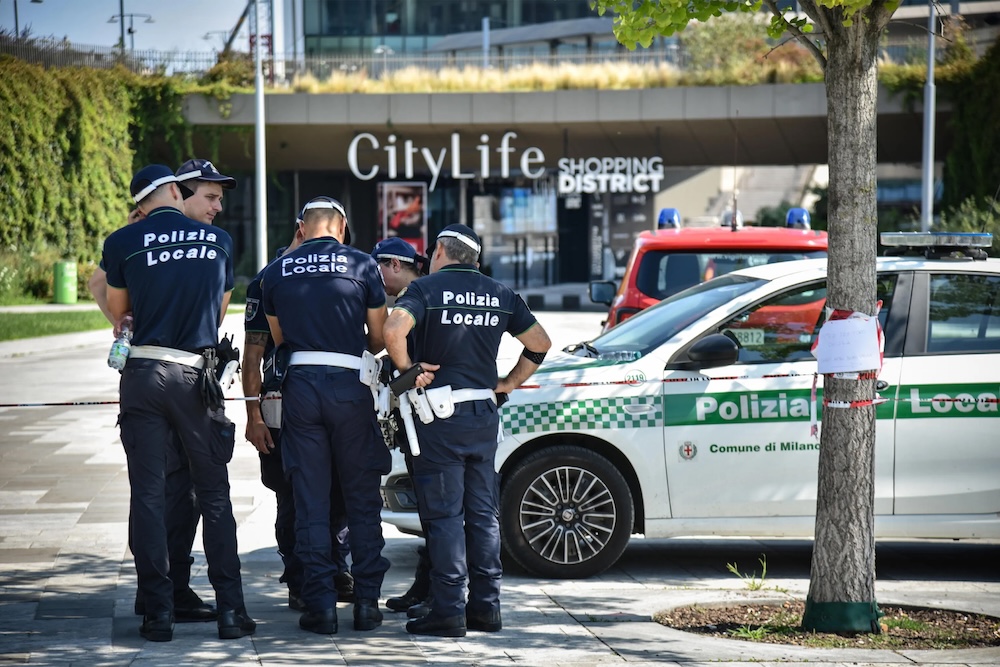
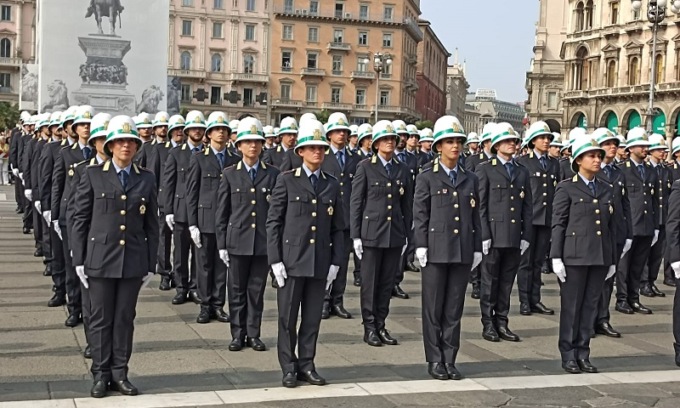
The City Council, on the other hand, operates on a different but by no means marginal level. It manages the Local Police, and it works on urban security, prevention, the quality of public space, youth policies, local mediation, coordination with associations and community groups, the livability of neighborhoods, and the ability to build a relationship of trust between institutions and citizens.
Reducing everything to "Sala yes" or "Sala no" means failing to understand how a large city actually works.
If one genuinely wants to analyze who, in recent years, has held political responsibility for these issues within the City of Milan, then simply naming the mayor is not enough.
For many years Anna Scavuzzo held the role of deputy mayor with responsibilities that included Security, in addition to Youth Policies. These are roles that do not consist merely of coordinating administrative offices, but of building a political strategy: engaging with neighborhoods, interpreting and responding to social hardship, promoting prevention, coordinating municipal policies and helping citizens perceive that there is a clear direction.
When a significant share of Milan's residents say today that they feel less safe than in the past, that perception does not come from nowhere. It may depend on economic, social, cultural and criminal factors, but it is also an indicator of institutions' ability to govern these phenomena. It is therefore legitimate to ask whether those who held these responsibilities achieved the goals the city expected.
The same reasoning applies today to Michele Albiani, chair of the Security, Social Cohesion and Nightlife Policy Commission of the City of Milan.
"A municipal commission does not arrest criminals and does not decide how many State Police officers will be present in the city."
His task should be a different one: listening to the local area, developing proposals, creating dialogue and mediating conflicts between institutions, citizens, business owners, cultural operators and associations, identifying critical issues and helping to guide municipal policies.
But if the distance between citizens and institutions keeps growing, if public debate on security is increasingly confused and polarized, and if a growing share of the population perceives a decline in quality of life, it is inevitable to also question the effectiveness of this political work.
The case of Porta Venezia
If there is one neighborhood that illustrates the limits of the City Council's urban security policies better than any other, it is probably Porta Venezia, and in particular the area around Via Lecco.
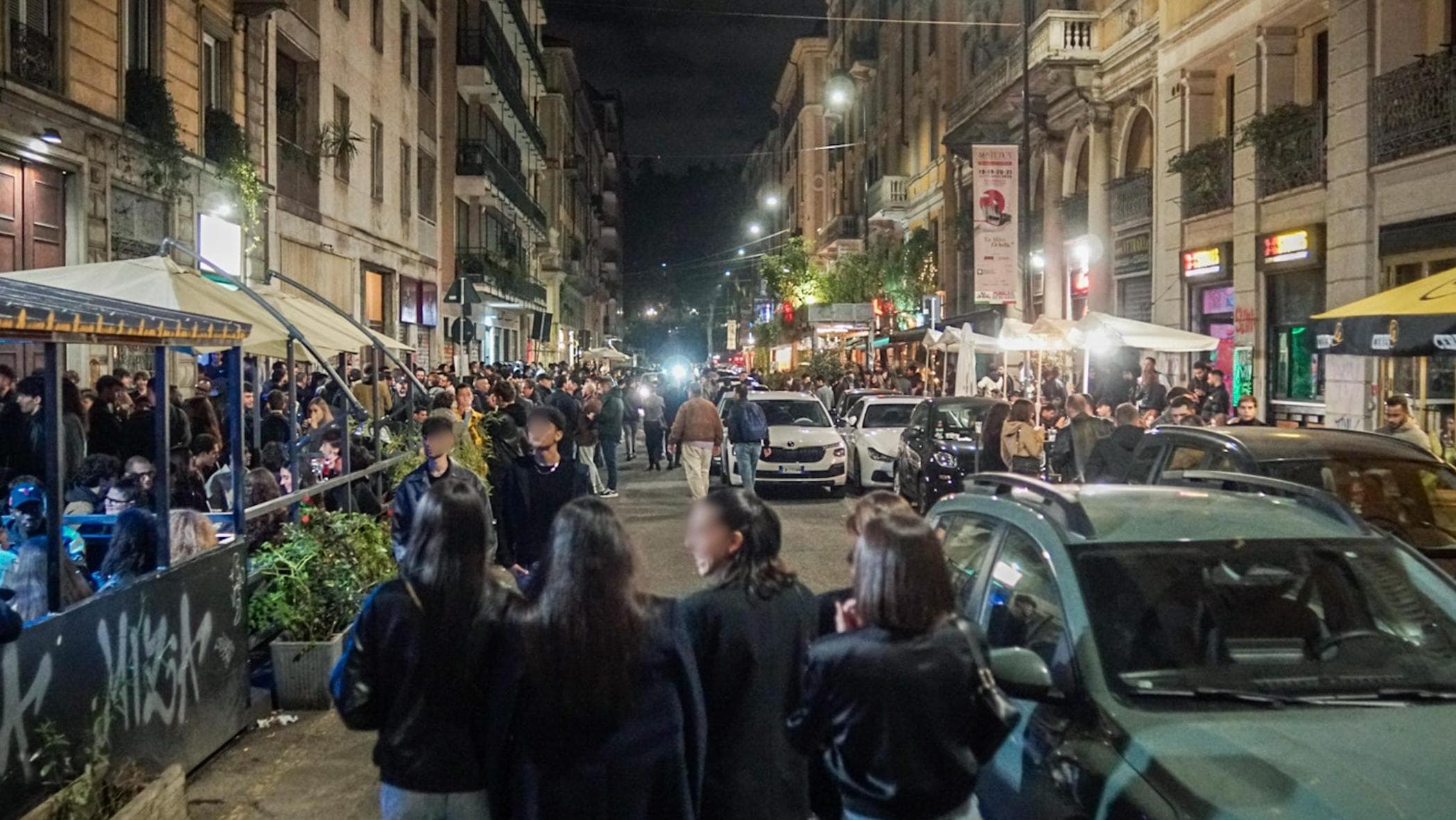
For years, residents, shop owners and associations have reported problems linked to disruptive nightlife, petty crime, pickpocketing, assaults, decay and the difficult coexistence between nightlife and neighborhood life, to the point that institutional round-tables and dedicated interventions have become necessary.
This is not a marginal issue. It was also one of the points included in Michele Albiani's political platform, which specifically pointed to Porta Venezia as a neighborhood on which to build greater dialogue with residents, business owners and institutions, and to develop strategies to improve its security and livability.
Years later, it is therefore legitimate to ask: what concrete results have been achieved?
A municipal commission does not arrest criminals, but its task is to analyze and prevent problems, foster dialogue between the parties, and help build effective public policies.
If one of the symbolic neighborhoods of "inclusive Milan" continues to be at the center of tensions and critical issues, it is inevitable that the political work carried out in that area also becomes subject to evaluation.
Milan is undergoing profound transformations: rising inequality, a housing crisis, youth hardship, a mental health and addiction emergency, immigration, poverty, pressure on the transport system, tourism, nightlife, understaffed law enforcement, and social changes affecting the entire country.
Thinking that a single official could, on their own, determine the fate of the city's security would be equally simplistic.
But precisely because the problem is complex, it is essential that public debate stop oversimplifying it.
"Citizens have the right to know who is responsible for what. They have the right to know which decisions fall to the Government and which to the City Council. They have the right to know what the duties are of the Prefect, the Local Police, the Security Commission, the councillors and the deputy mayors."
Only by understanding how institutions work is it possible to hold the right people accountable for decisions, put forward credible proposals, and truly improve the city.
When everything is instead reduced to a slogan, a viral post or a political meme, the opposite effect is achieved: confusion grows, factionalism increases, and the chances of seriously addressing the problems diminish.
Security is not an election meme
In recent years Italian politics — on the right as much as on the left — has invested enormously in communication. Ever more effective content is produced, ever more shareable slogans, ever more viral videos. But the quality of communication cannot replace the quality of governance.
Because running a city does not mean winning an argument on social media.
It means knowing one's own areas of competence, taking responsibility, cooperating with other institutions, and explaining to citizens, with transparency, how the public machine actually works.
Only from this awareness can a mature debate emerge. And only a mature debate can produce better policies.
"The rest is reels and likes."