In recent decades, Asian imagery has often been used in the West as a mere aesthetic element: an advertising campaign, a brand, a fashion collection, a techno night. Oriental Techno Club was born with a different intention.
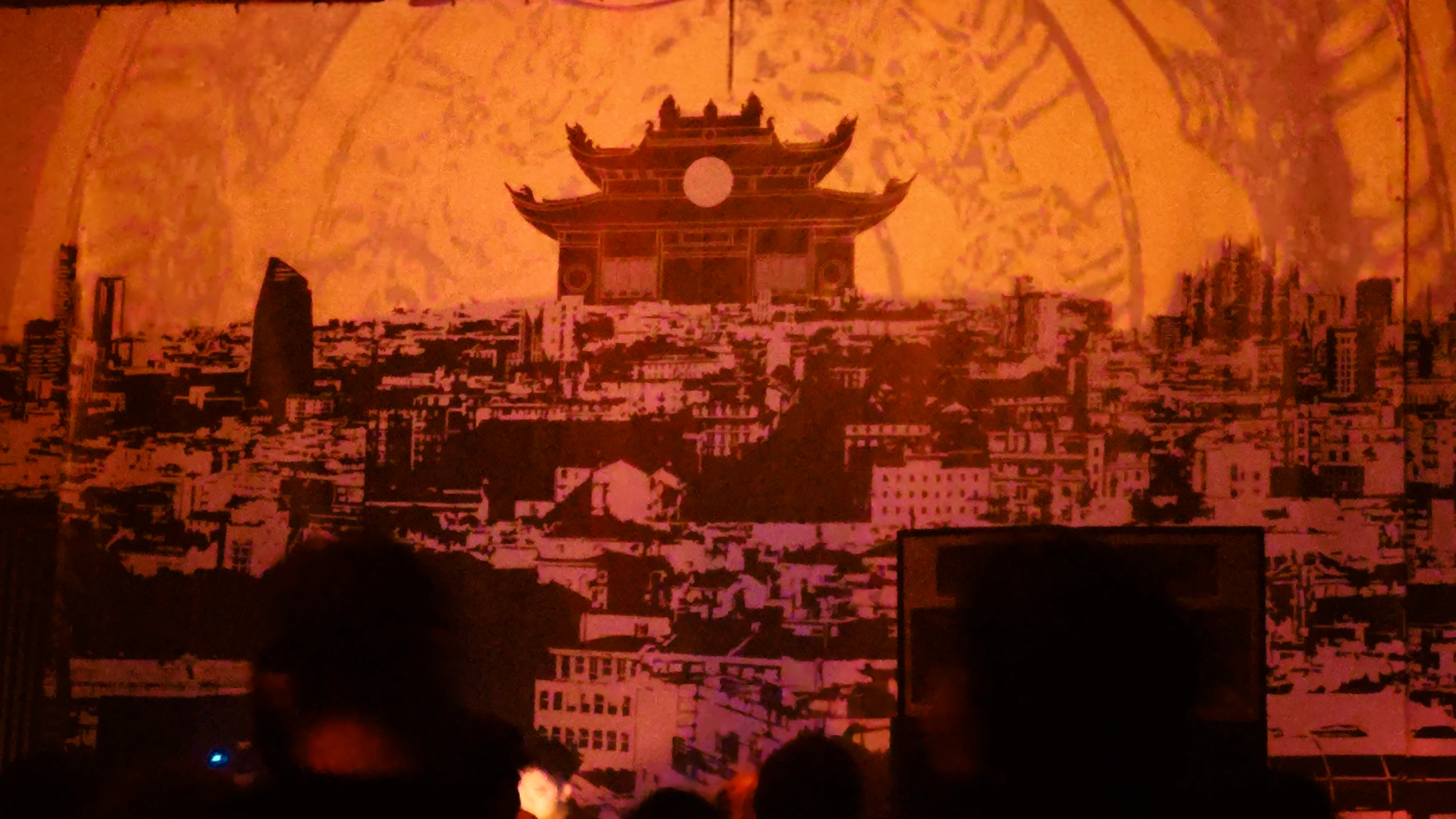
Oriental Techno Club is a collective made up of people from different Asian communities who chose to use electronic culture as a tool for encounter, giving life to a project that aims to build a real bridge between Asia and Europe through music, visual arts, performance, photography, ritual and cultural research.
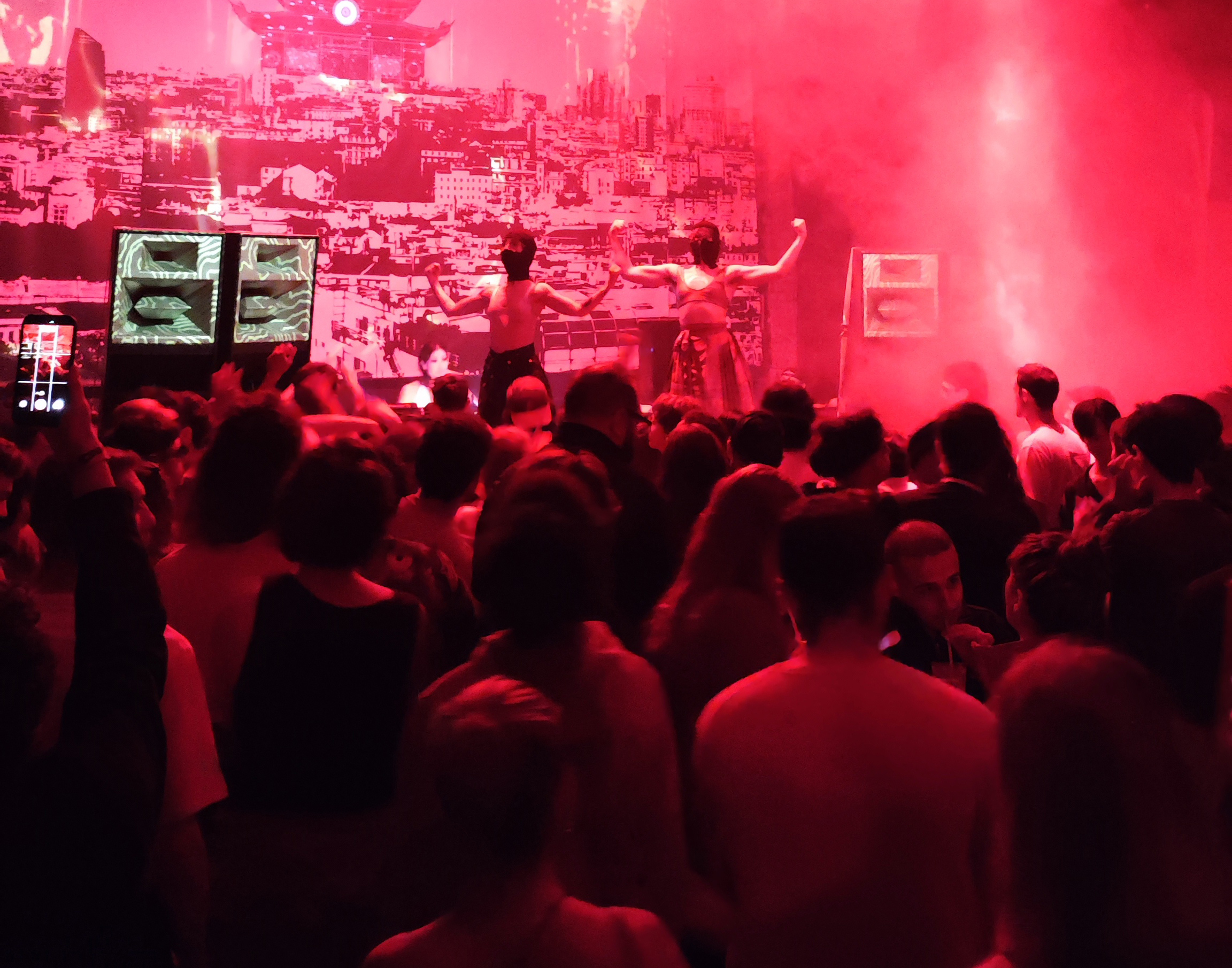
At every opening, the audience responds with enthusiasm: thousands of people take part every week in the events and in the artistic and interactive journeys, turning Oriental Techno Club into one of the most original experiences on the European electronic scene.
Interview1. Oriental Techno Club has become a unique point of reference in Europe. How was this vision born?
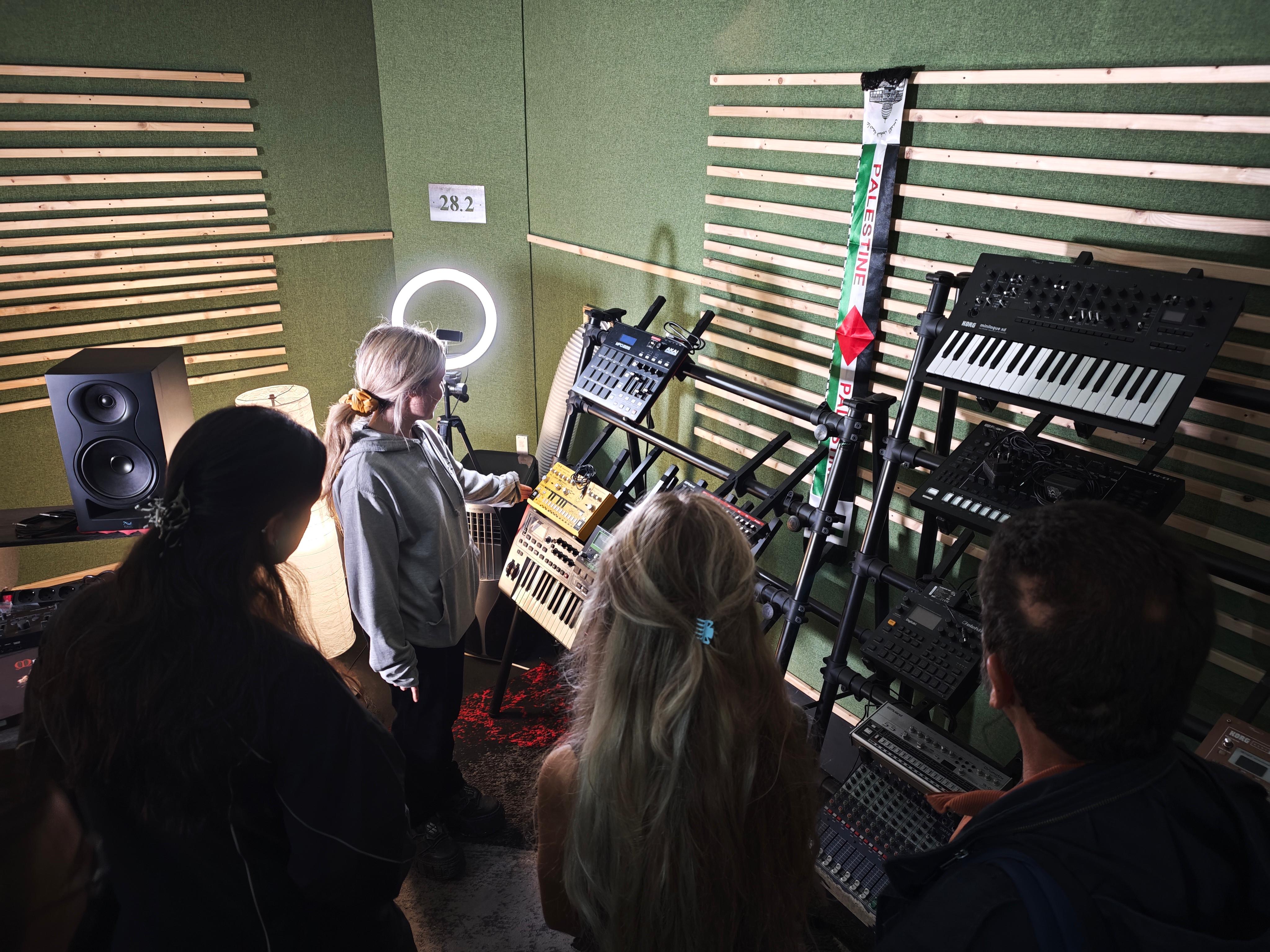
The idea was born when we, as members of the Asian community at Tempio, had already been organizing events dedicated to Eastern culture and to promoting Chinese culture for some time. Over time, several Asian DJs trained at the Scuola della Techno also joined us, and out of this encounter came the desire to use electronic music as a language to tell our culture.
So, on February 9, 2024, on the occasion of Chinese New Year, we organized the first Oriental Techno Club event.
2. What is the cultural mission that has guided Oriental Techno Club since day one?
From the very beginning, our goal has been to create an international platform for Asian artists and producers, fostering collaborations between different communities and strengthening the bond between Asians living in the East and in the West.
We want to help give more and more space and voice to Asian electronic music. We do this through quality music, immersive visual experiences and an artistic journey that engages all the senses, trying to spread the culture in a creative, authentic and consistent way.
3. Why did you choose Milan?
Milan is Italy's artistic and cultural center, but also one of the main meeting points in Europe. One of the largest Asian communities on the continent lives here.
There is also Tempio, a unique, inclusive and multicultural space. It's a place where OTC has been able to grow feeling protected and supported. This is why Milan was the perfect ground for the project to be born and to develop.
4. What makes OTC different from a normal electronic music night?
For us, an event is not built around an artist's fame, but around the quality of their music, their journey and the cultural context they come from.
OTC is not simply a party: it's a project that feels the responsibility of making culture. We have a very strong identity and every event is born with a precise meaning. Our goal is not to fill a room, but to create a space where music becomes a real tool for dialogue between cultures.
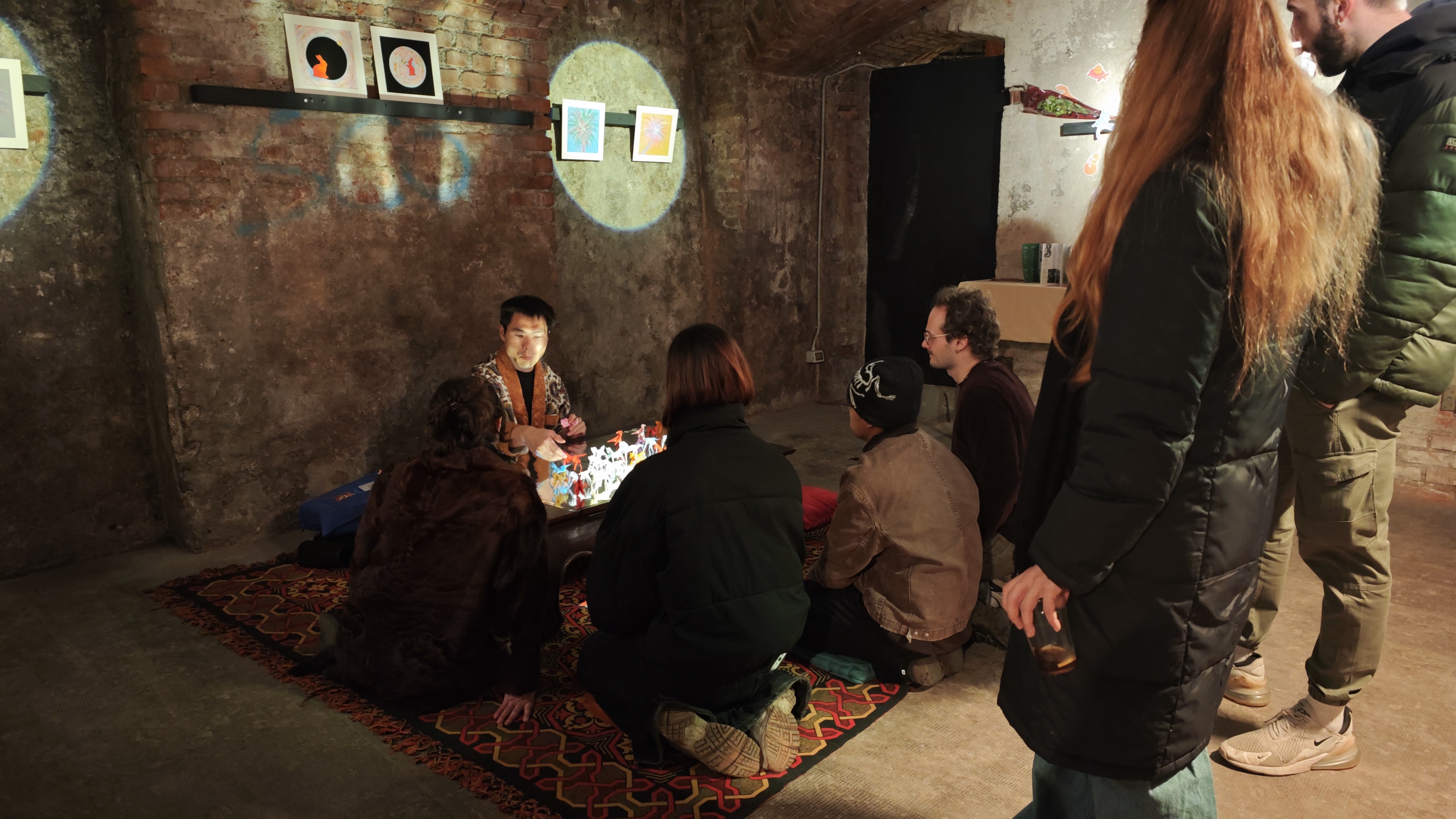
5. What result are you proudest of in this year of activity?
What makes us proudest is seeing more and more Asian DJs from all over the world get to know OTC and want to become part of the project. At the same time, a very loyal community has grown, and we've received the support of a great many artists, even non-Asian ones.
Every smile we see during an evening is the reason we keep going.
One sentence that stuck with us in particular was from a guest who told us: "Finally I felt something truly new and different in a Western electronic scene that had started to feel all the same to me." For us, that was one of the most beautiful compliments.
"Finally I felt something truly new and different in a Western electronic scene that had started to feel all the same to me."
6. What value is there in building a bridge between Asian cultures and the European public through club culture?
Clubs are places where new generations meet above all. That's why we believe they are one of the most direct and effective tools for building cultural dialogue. Institutional collaborations are important, but they often fail to really reach young communities.
Music, dance and visual art speak a language that has no boundaries. There's no need to translate it, you just have to live it. That's why we think club culture can break down cultural barriers in a much more spontaneous and natural way.
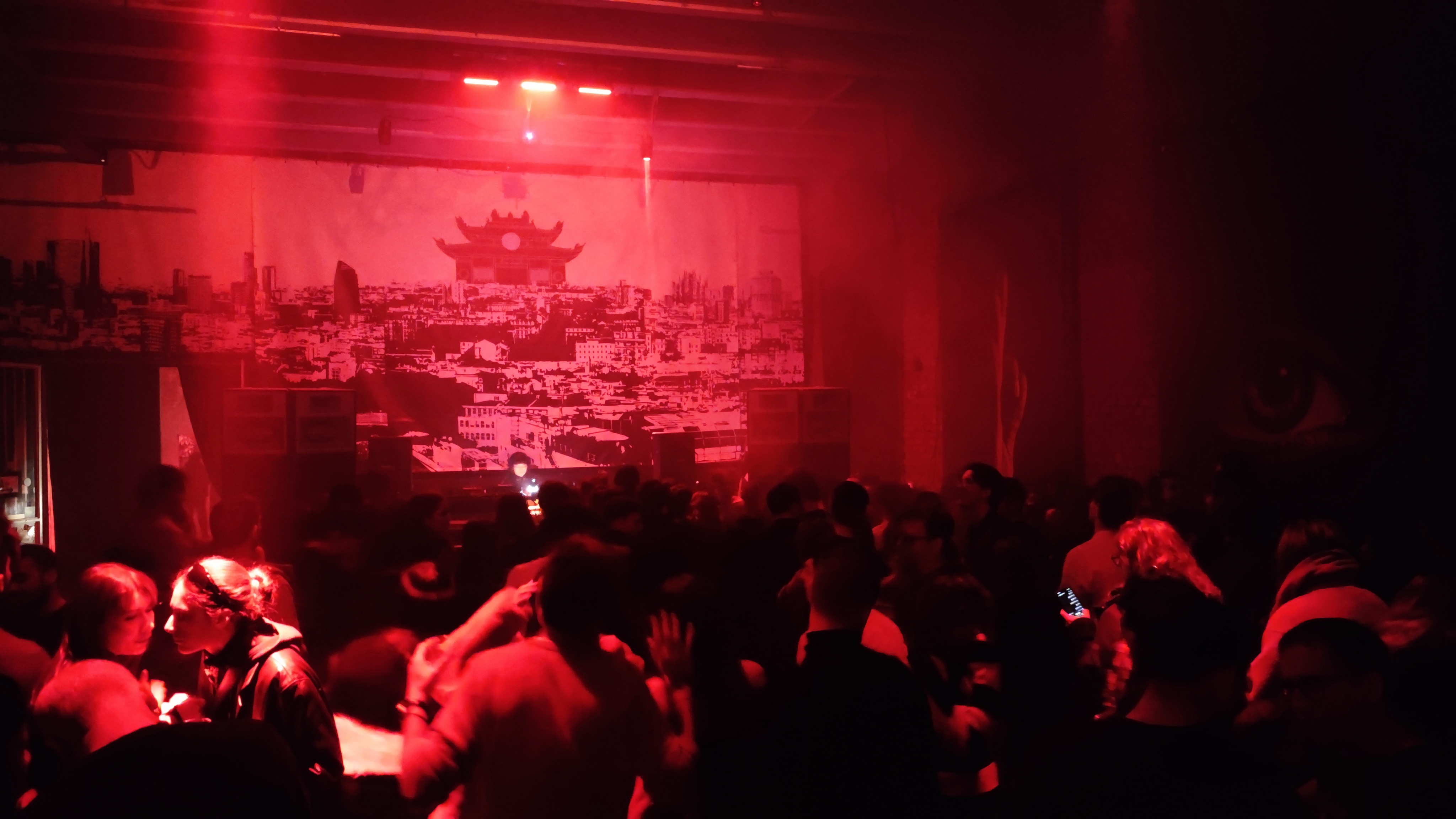
7. What response have you received from the public and from Asian communities in these years? Do Italians understand the cultural message?
One of the comments that struck us the most was from a person who told us they had finally found something new in a Western electronic scene they had come to consider predictable. Receiving words like these gives us incredible strength.
Many Asian artists also support us, both online and live. Some have come specially from other countries just to experience OTC, and for us that's a great honor.
Many of our Italian guests are people who already have a connection to Asian culture: some study an Eastern language, some have had Asian friends for years, and some simply come out of curiosity.
Of course we know that not everyone can immediately understand or share what we do. Some are still trying to understand it, others perhaps will never agree with it. But for us the most important thing is to keep growing without stopping.
We draw a great deal of inspiration from the Taoist concept of Yin and Yang: where differences exist, balance also exists. It is precisely this duality that keeps cultural dialogue alive, creating new challenges, new experiences and new possibilities.
Those who don't understand today may understand one day. And those who today think they've understood everything might start asking themselves new questions tomorrow.
"We draw a great deal of inspiration from the Taoist concept of Yin and Yang: where differences exist, balance also exists."
8. Where do you imagine Oriental Techno Club in ten years, and what mark would you like to leave on European electronic culture?
In ten years we would like to take OTC around the world, organizing events and tours in big and small cities, all the way to the most distant and isolated places.
Wherever we go, we'd like to create a space of encounter and plant a seed of the culture and community of Asian electronic music.
As for the European electronic scene, our goal is not to leave a mark or impose our presence. We prefer to speak of coexistence. As in Yin and Yang, we believe that different cultures can coexist in a balanced way, learning from one another. Seeing each other, listening to each other and understanding one another: for us, that is the highest form of cultural exchange.