1. Today, as the scene becomes ever more compromised and difficult for people who don't have connections or a budget behind them, you chose to pack up and leave for Milan to try to make your dreams come true. Tell us who you were before becoming Dolce Potente.
My name is Rita and I'm the youngest of five children, all boys. I grew up in a very humble family in southern Italy.
I talk about feminism, but the truth is I know brotherhood much better than sisterhood. I started living the street on my own at age 6, from my street to the neighborhood, all the way to the whole city.
At school I was the nerd who asked too many questions. I was searching for cultural emancipation, but at the same time I felt at home in the spontaneity of down-to-earth people.
I always wanted to make music. As a child, all my games involved microphones, imaginary stages and fake guitars. My father has an extraordinary voice, but at a certain point life kept him from continuing to sing. My mother, on the other hand, sacrificed to let me attend an afternoon music school for 4 years. It's one of the greatest gifts I've ever received.
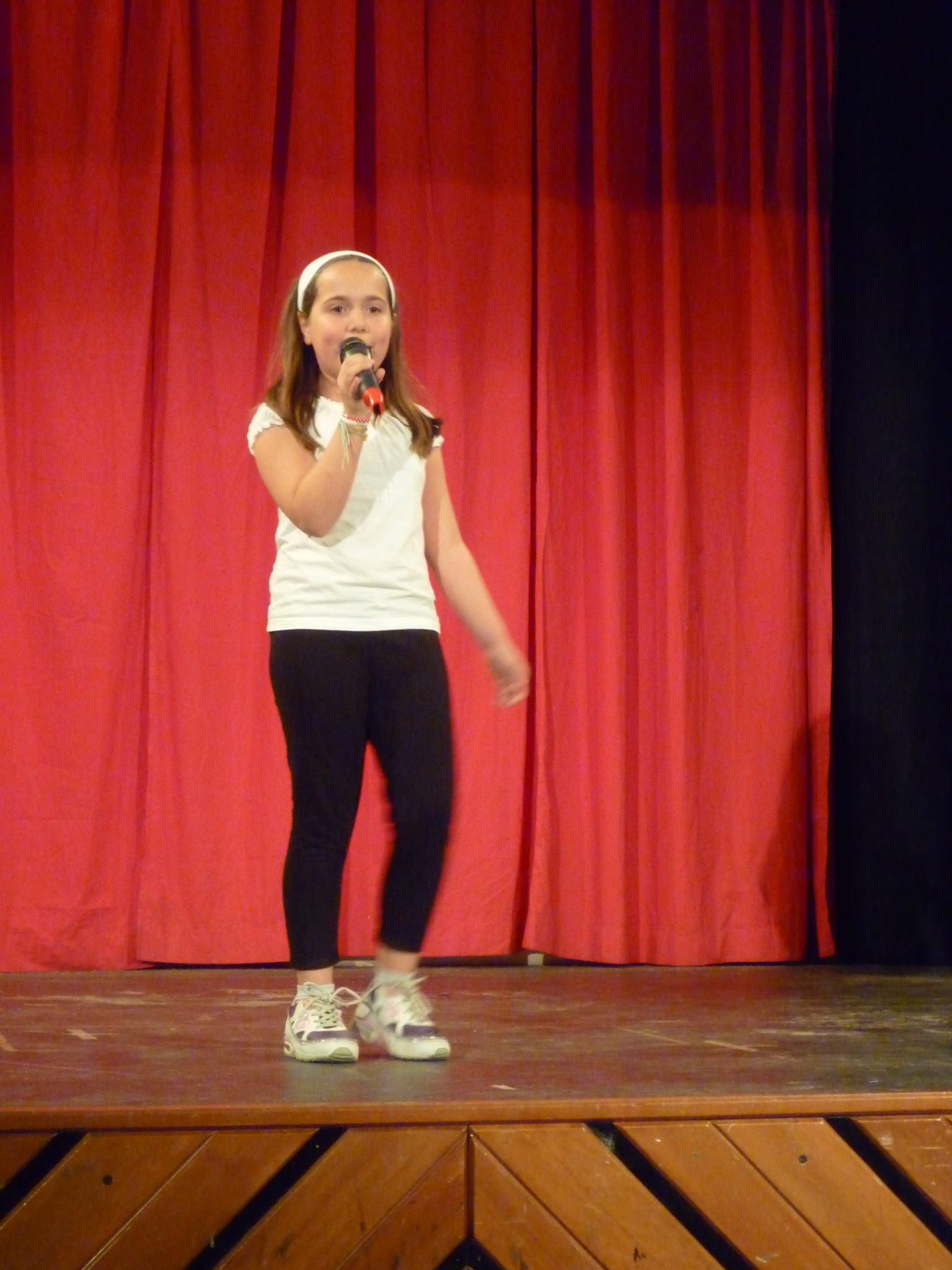
I grew up in a context of cultural precariousness. Over time I tried to work with anyone in Bari who could teach me something about this craft, but I rarely found the professionalism I wished to encounter.
My biggest enemy, though, wasn't other people.
It was the belief that I wasn't capable enough. The fear that the precariousness, that lack of quality I saw around me, would end up defining me too.
I left for Milan carrying that cage with me.
"My biggest enemy, though, wasn't other people. It was the belief that I wasn't capable enough."
2. How did you feel in your first moments in Milan? What did this city give you?
When I arrived in Milan I was still attending university in Bari. I would go back down south to take exams during exam sessions.
The truth is I had nothing to lose. For me, staying down there would have meant slowly dying inside.
As soon as I arrived, I worked as an English-speaking babysitter for a little girl from a very wealthy family.
The thrill of starting from scratch, of being able to build and present myself as a new person, was indescribable.
Milan gave me the feeling that everything was possible. I was surrounded by opportunities, people, stimuli. But alongside that enthusiasm there was also great insecurity: I had no idea how to reach those possibilities, what the path was, which doors to knock on.
I had arrived with no connections, no contacts. I just wanted to change direction, to change the odds of my life. But at the beginning, the road seemed like a dead end.
I lived between Barona and Famagosta. I experienced Milan's outskirts. On one hand there were a thousand new experiences; on the other, I began to realize that many of those opportunities also had an elitist character.
On the other hand, without expecting it, I felt a great deal of homesickness. I began to see all the beautiful aspects of the South that I had always taken for granted.
But still, I would never have turned back.
3. We know your encounter with Tempio del Futuro Perduto was important: why? What did you find different there?
I think it was love at first sight.
I walked through the portal, entered the agora, passed through it. Then I saw a bookshop. And that's when I understood everything.
My whole life I had been the nerd among the street kids. I had always lived these two worlds as if they were incompatible.
At the Tempio, instead, I saw them coexist. I discovered that fun and cultural commitment weren't opposites, but could be the same thing. In fact, that fun itself could be a tool of cultural emancipation.
It was the first time I thought: there's a place that looks at the world the way I do.
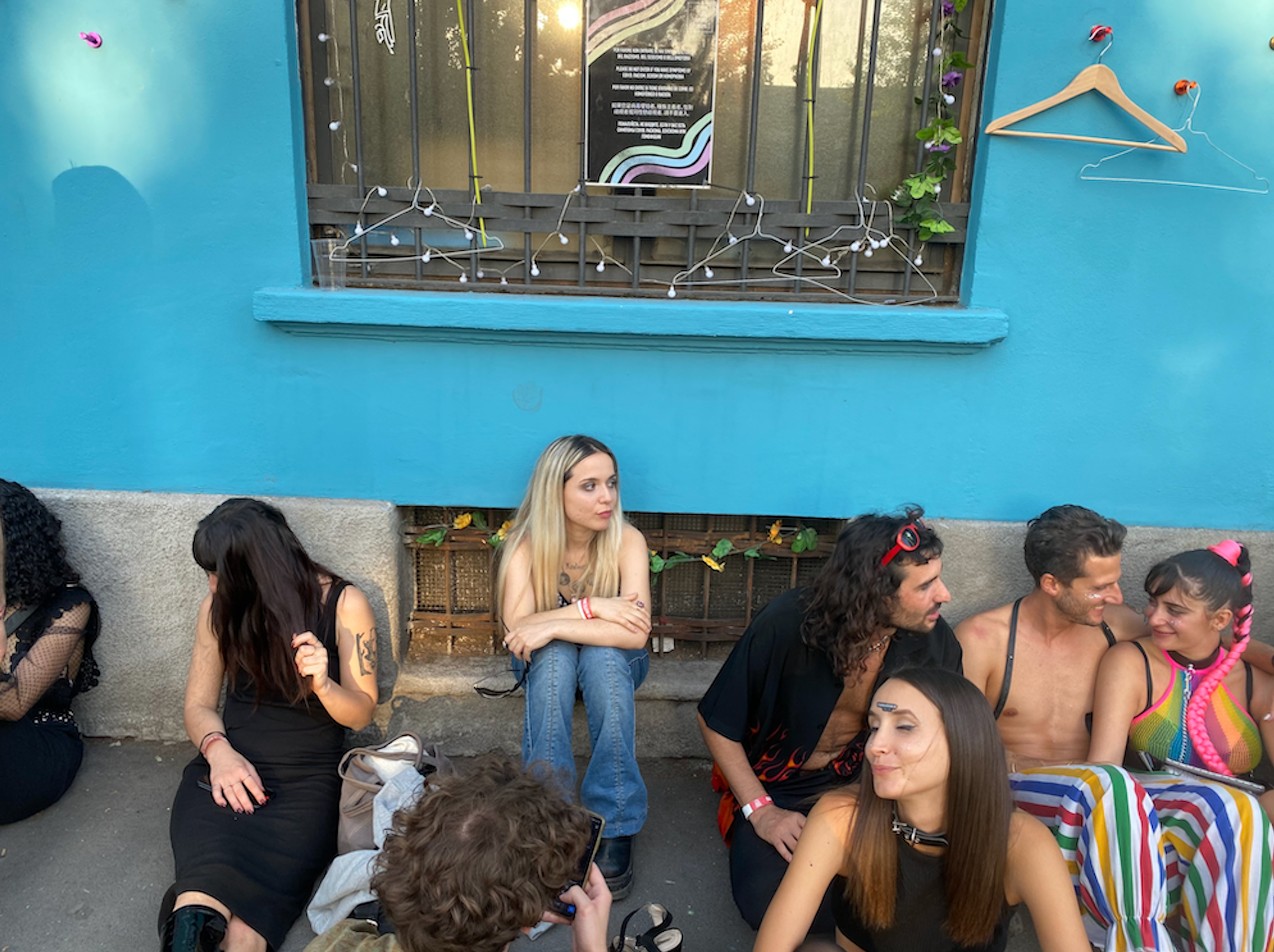
Another thing that struck me was the professionalism. It was a grassroots space, open to everyone, yet everything conveyed care, competence and ambition. Until that moment I had almost internalized the idea that whatever comes from the people had to settle for being improvised, as if being accessible inevitably meant being unprofessional. The Tempio proved me wrong.
But above all, the Tempio destroyed the mental cage I had built around myself.
There I put myself out there, doing everything. And in doing so, I discovered something very simple but revolutionary: I was capable too.
I believe the Tempio changed, even before my career, my approach to existence. From that moment on, I stopped asking myself if I was good enough and started asking myself only how to learn to do things.
4. How was Dolce Potente born?
Dolce Potente was born in the same period I got close to electronic music. As I was learning this new language, I felt the need to give a name to everything I was becoming.
To me, Dolce Potente is a cyborg figure, the daughter of a generation that struggles to imagine the future. That's why she takes pieces of the past, especially the various female iconographies, and tries to recompose them into something new. She tries not to be a nostalgic character, but more of a "patchwork girl" who uses the positive aspects of different eras to create a perfect figure capable of being the answer to the new world. What ambition.
But first of all, Dolce Potente is me.
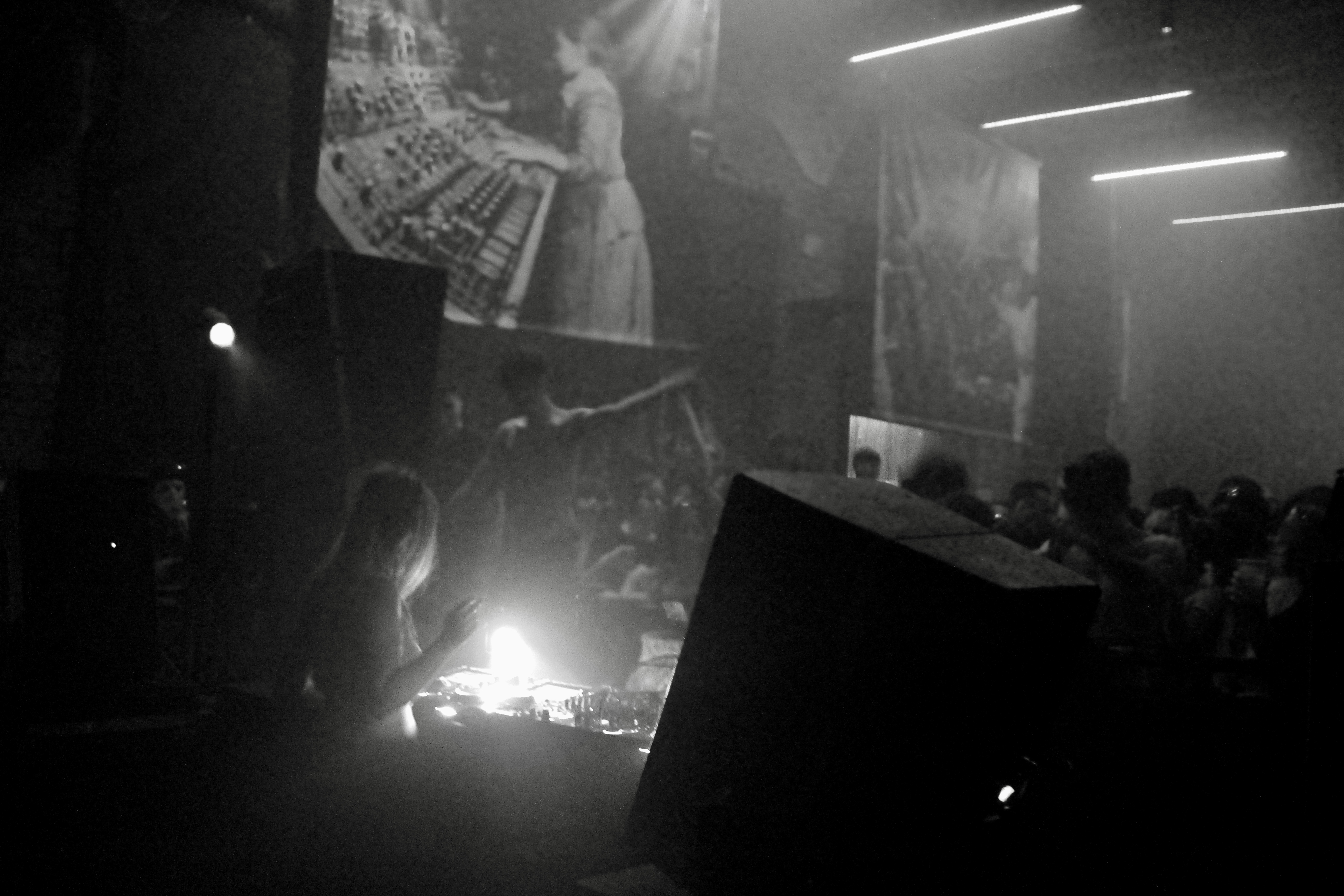
I named her this way because she represents my being an oxymoron. I've always had two souls inside me that seemed incompatible: sweetness and strength, fragility and aggressiveness. And this contradiction is naturally reflected in my music too, where hard sounds and melodies, screams and singing, hard and soul coexist.
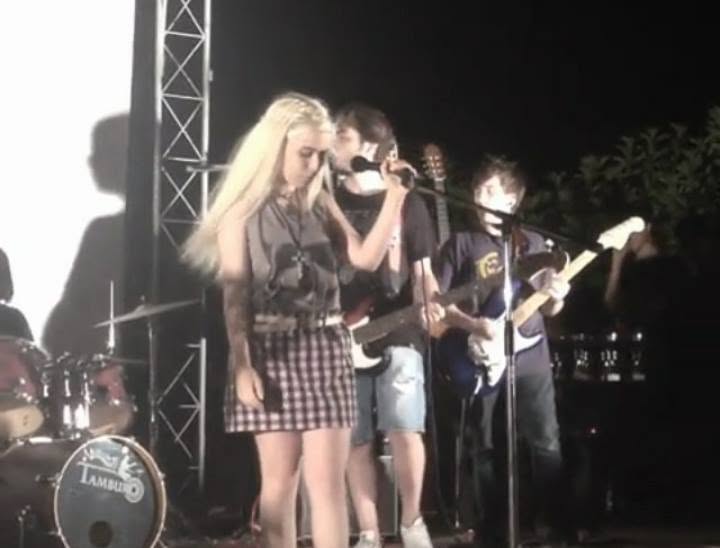
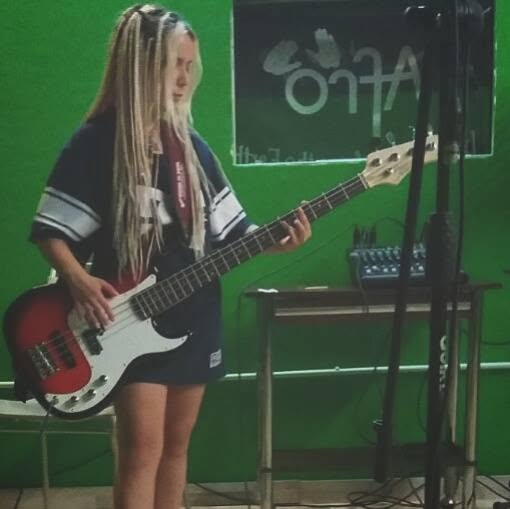
Deep down it's always been this way. Even before techno I had an alternative rock band with friends, but at the same time I sang '50s swing with my music school. I moved from one world to another with total ease.
Only later did I understand that I didn't have to choose a single identity: my strength was precisely in holding them all together.
5. The success of your first record: Bambola is sung on dancefloors across half of Europe; thousands of streams and your first dates in Italy and abroad. Did you expect everything to happen so quickly?
No, absolutely not. Everything happened very spontaneously. Both the lyrics, born after finishing watching Sisters with Transistors, and Industrial Romantico's music came out naturally.
I really had no idea the track would work so well. I still remember the moment I recorded the vocals: then Industrial Romantico came into the studio, hit play to listen to what I'd done and, after the first words, "tu mi fai girar, tu mi fai girar", stopped everything. We looked at each other and, without saying a word, we both understood there was something special there.
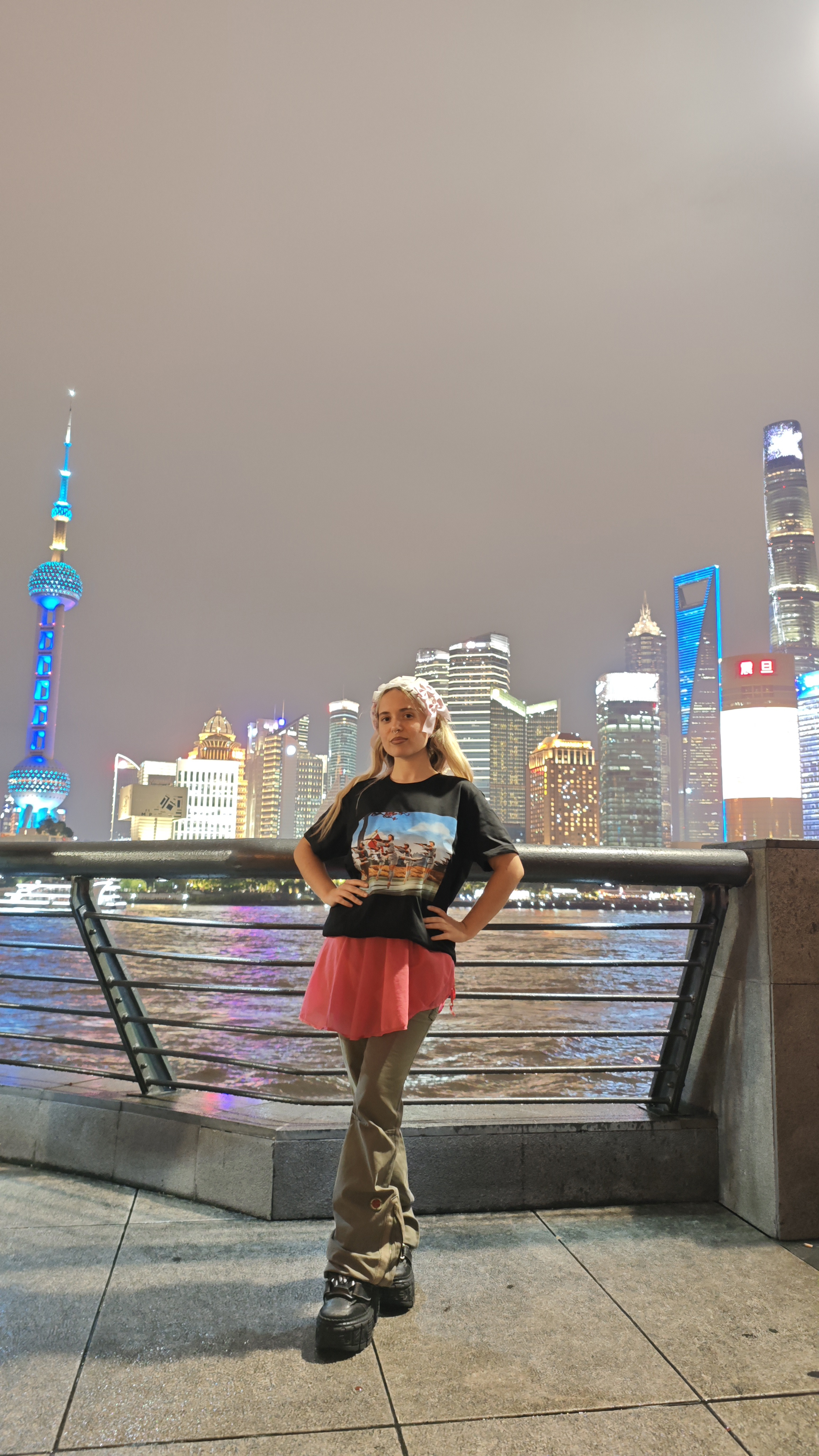
The most incredible thing was hearing it sung even by Italians in Tianjin, during the Tempio China Tour.

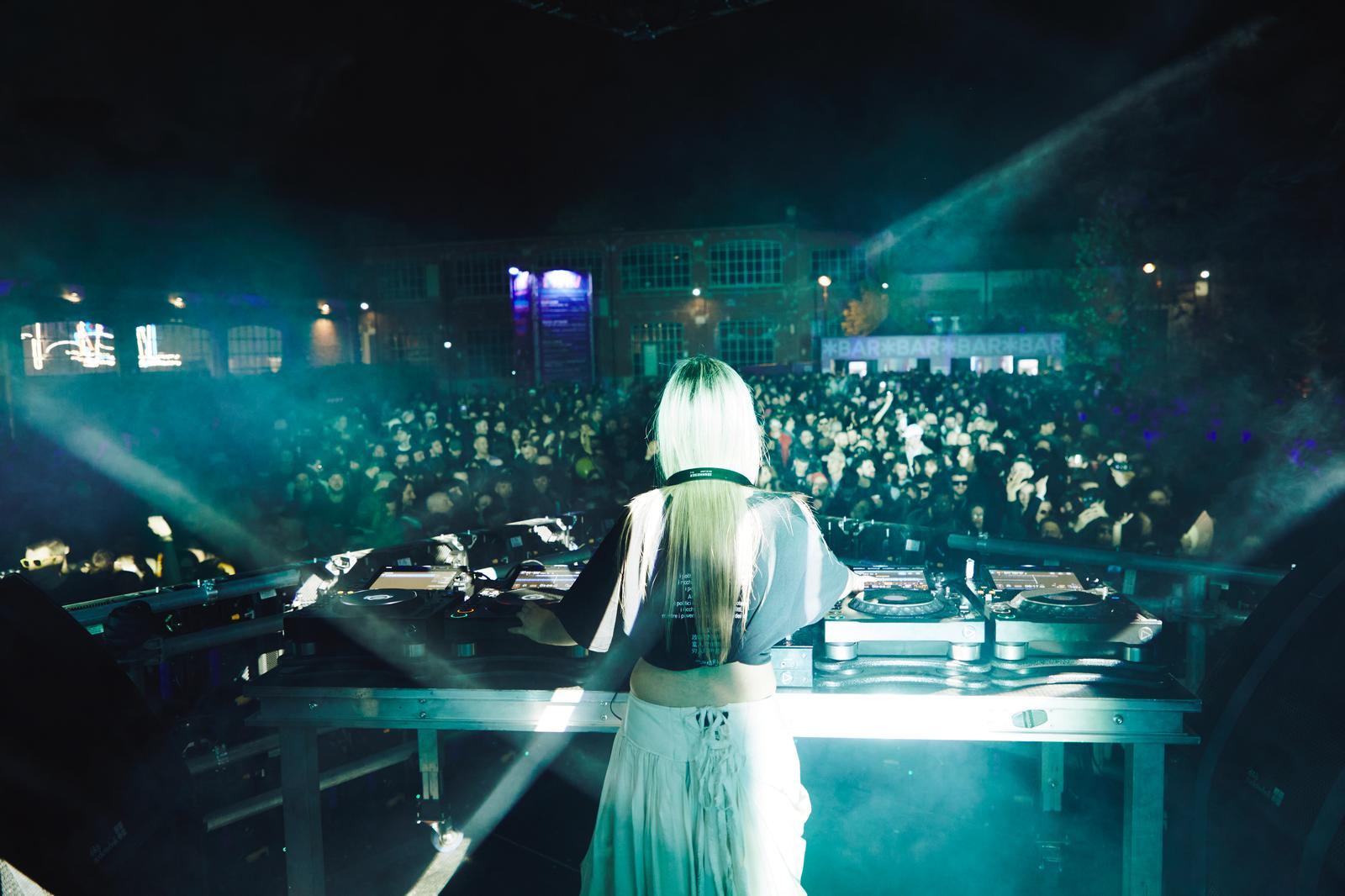
6. Beyond music and teaching DJing to new generations through Scuola della Techno, you're an active militant in various struggles. Can you tell us more about your techno/political vision?
Yes. Let me preface this by saying that, while I was studying at the Scuola della Techno, I had the chance to deeply explore the socio-cultural and political contexts in which techno developed. So what I'm saying isn't a personal interpretation of mine, but something that objectively belongs to the history of this music.
Techno is a political language, both for the reason it was born and for its very structure. It creates community, unity, goes beyond definitions and doesn't need rigid structures.
One thing I found very interesting was being able to sing political messages over techno. It's a music that normally communicates through sound, without words, and that's exactly why I felt the desire to use my voice to make explicit a message that techno has always carried within itself.
"Techno is a political language, both for the reason it was born and for its very structure."
Techno, precisely, is a tool. Since it has no defined structure, you can give it whatever message you want to convey through its rhythms, which reach the gut, the masses. They're rhythms beyond the polis, ancestral rhythms, that speak to the human soul regardless of who you are. And that's exactly why it's such a powerful tool and, perhaps, also why it's so often opposed and repressed.
For me, coming from a past as a singer, where I had the feeling that if you didn't sing about the usual handful of trivial things you couldn't get anywhere, techno was a liberation. It gave me back the freedom and the desire to truly express myself.
7. Plans for the future?
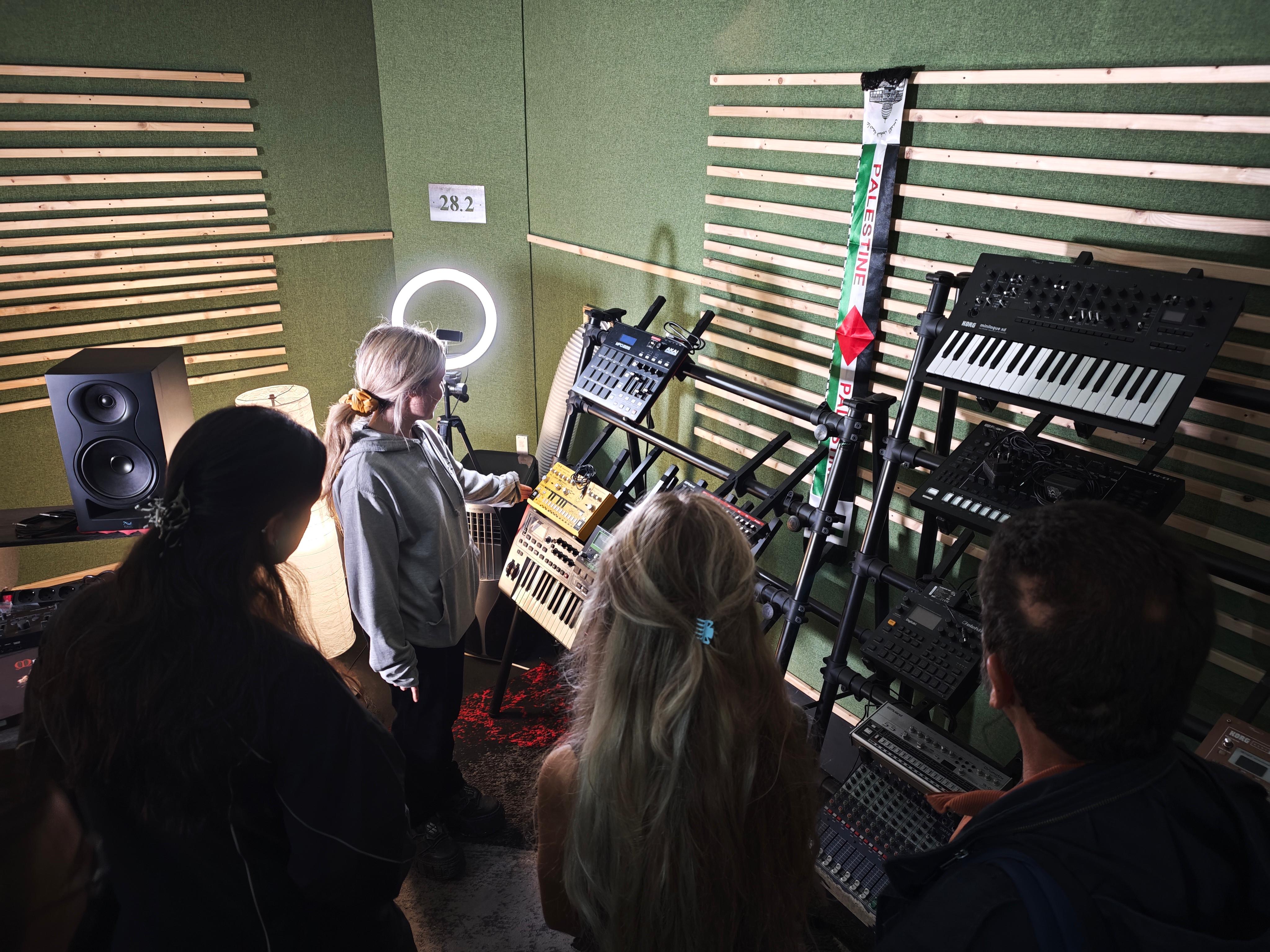
About a year ago I started producing on my own, thanks to the teachings of Sono Distorto and the support of the Tempio.
At the moment I'm focusing entirely on this: I'm finally able to translate my visions into music.
I'm pouring into my tracks everything I've absorbed along this journey, also exploring the folkloric roots of my culture of origin, tarantism and the tribal dimension of language, with the goal of using techno to give voice to the "Southern Question."
As I've already said, I can't replicate the Detroit or Berlin model: I have to use the tool of techno to tell the contexts I've personally lived through and the dynamics I know closely. It's fundamental for me to use this language to give voice to the struggles that belong to me. Replicating what was done in Detroit without personal reworking would be reduced to sterile appropriation, devoid of innovation.
Alongside all this is my constant commitment to the Tempio community and the many projects tied to the Scuola della Techno.
I believe it's essential to keep growing this path more and more, presenting myself as living proof of its value and its success: a path that has taken me all the way to playing in China and in the leading clubs of the European scene.