Every music fan has faced the same experience: wanting to attend a festival and having to make the hard choice of deciding how much budget to invest, how much money to spend on site, and — beyond the fun — how right it felt to support that organization.
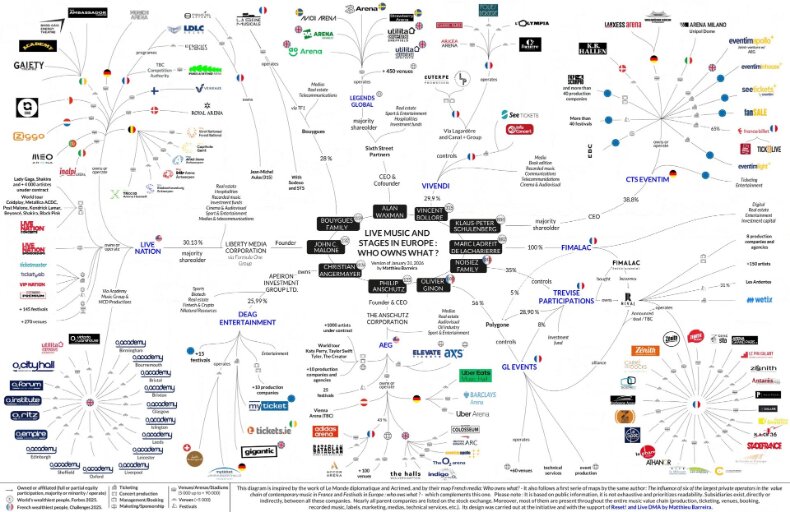
Unfortunately we live in times when even major investors have moved in on institutions that have always been a symbol of independence, of great musical representation, and of freedom.
I notice that often even organizations that specialize in niche events, with a genuinely good artistic sensibility, end up never supporting the territory that hosts them.
Usually this practice takes shape in two dimensions: the lack of support for local cultural organizations, and what then becomes the exploitation of the territory by outside entities.
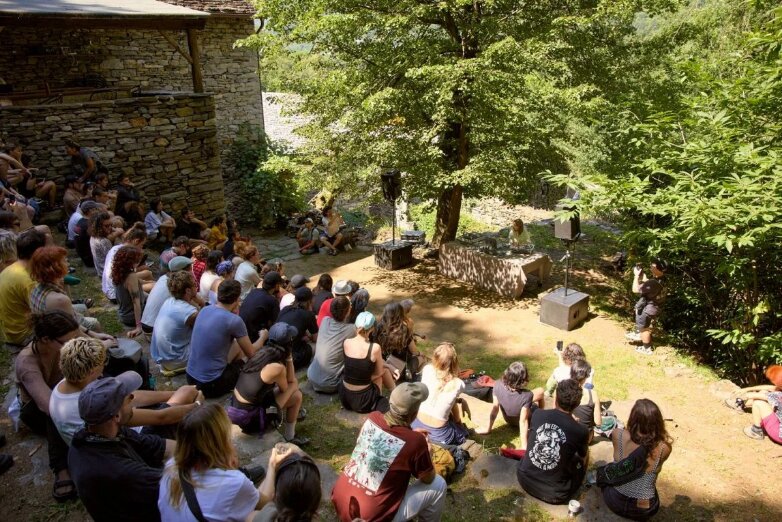
Often natural havens become spaces for people who rightly choose to support that specific event; but one thing I've always noticed, and that leaves me puzzled, is how this territorial "occupation" doesn't involve the people who actually live in and invest energy in those territories.
Instead, very often, space is given to collectives that have little to do with the territory — indeed, they end up exploiting it, using the classic excuse of generating economic activity for local businesses.
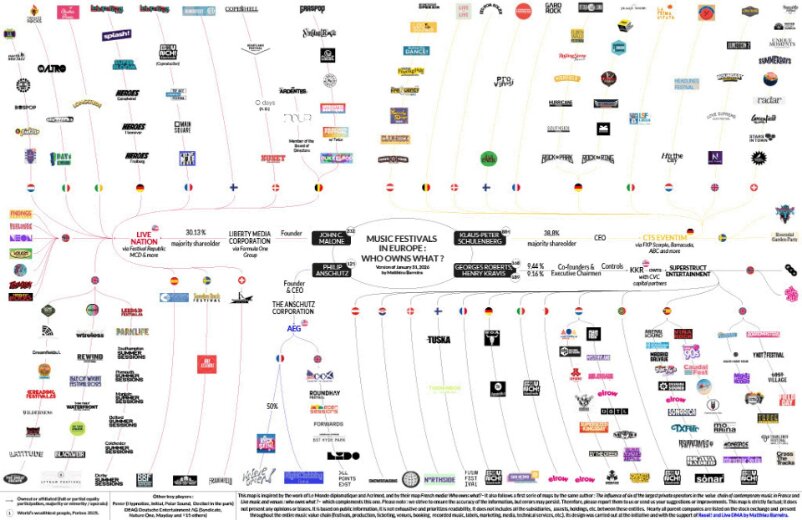
I believe one of the great conceptual mistakes is exactly this: economic support for local organizations is in itself a good thing — no one criticizes that resource — but it's clear that failing to take the local cultural proposal into account is a defeat from the very start.
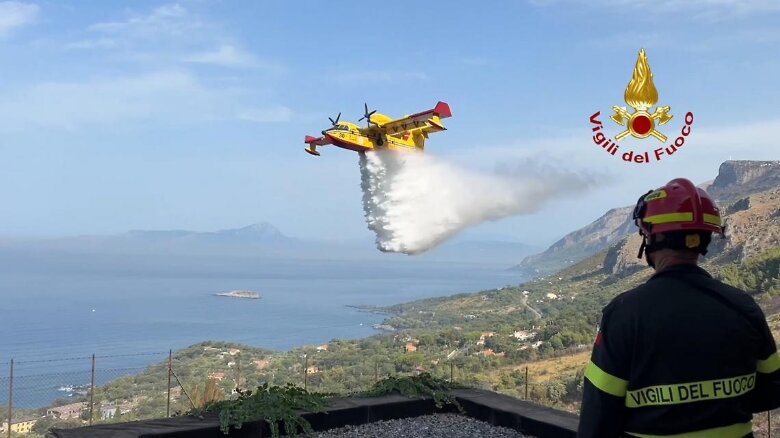
I notice many festivals that take place in the mountains, often even when the mountain had been on fire just days before — knowing full well that their funds and their care will not go toward saving it.
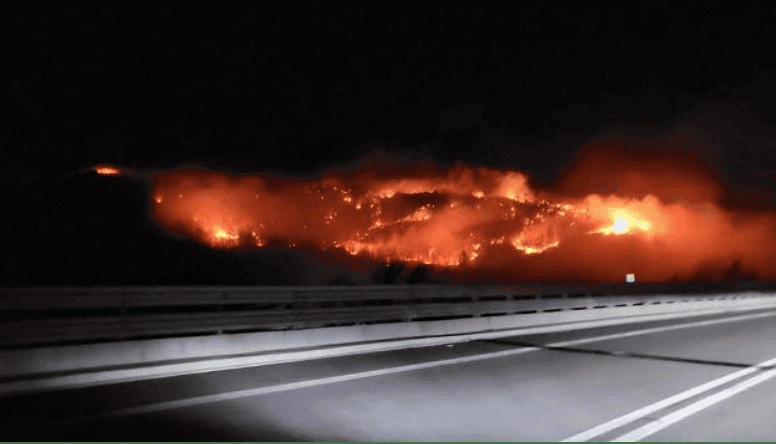
Often even when they hide behind a valid artistic proposal, in places that become stages for unique performances, both for the location and for the performance itself.
In the end, it's truly short-sighted not to commit to developing economic models that take art into account, rather than models that move into territories purely for their beauty, without supporting the people who live there and who must fight against the difficulty of being able to express themselves honestly.
Italy is the homeland of provincial mentality, and we've often been taught that provincialism is like a cancer impossible to defeat; only a few organizations I've had the chance to get to know are truly willing to make the most important investment:
that of becoming a genuine cultural resource for the people of the territory, not just for the organization's coffers.
I consider it essential to push back against the all-devouring dynamic of festivals that turn into playgrounds for cool, radical-chic people, where consideration for the location becomes less important than a hit of ketamine.
"How do we change the "gut" reasoning if in the end all that gets created are institutions that feed the system for fake intellectuals? How can we deal with vulgar provincialism if we don't exalt positive provincialism and the purity that gives meaning to the collectives that fight every day to make culture in sterile territories? How do we go against this capitalist/cultural mechanism of devouring music and culture and keeping it only for that "elite" face that can afford this indulgence?"
Until the representation of local organizations is fully built into the programming of most festivals, we will always remain stuck in that hit-and-run mode that is exactly what capitalism teaches us: using and taking things that hold great value for others, under the excuse that it generates an increase in capital.
But what is the true price paid by local cultural organizations who watch their own development be expropriated, left only to observe this great use of technique — so close to them, yet in the end so far away?
Tell me what you think: I want to open up a debate that's honest and constructive, always ready to question much of the dynamics around me.
Not to satisfy my urge to stir up trouble for its own sake, but to understand whether there's still someone out there able to ask themselves a few uncomfortable questions — to see whether these are fair criticisms or just passing thoughts.
I hope to receive honest feedback on this topic. I would like to open this column on Interferencesmag together with anyone who believes that dealing with these issues is necessary in this time full of contradictions.